Research Interests

My research focuses on the design and development of wearable and minimally invasive biomedical sensing systems for continuous physiological monitoring. I work across the full hardware–software stack: from sensor design, PCB fabrication, and firmware to signal processing algorithms and mobile applications. My goal is to enable real-time, unobtrusive health monitoring that can function reliably in everyday environments — in the home, clinic, or field.

At MIT, I am investigating nasal interfaces as a sensing platform for mucosal health monitoring and physiological intervention. Prior work spans cardiac electrophysiology in zebrafish models, fetal and maternal ECG, and continuous blood pressure estimation using ECG–PPG fusion.

Research Projects

Nasal Interface for Mucosal Health Monitoring (MIT Perceptual Engineering Lab, 2026–)

[Project image to be added]

At MIT, I am investigating how nasal interfaces can serve as a continuous sensing platform for mucosal health and novel forms of physiological intervention. The nasal cavity offers direct access to mucosal tissue, making it a compelling site for monitoring inflammatory state, hydration, and other physiological signals that are difficult to capture elsewhere. This project aims to develop wearable nasal devices that can operate unobtrusively in everyday contexts.

Wearable sensing Mucosal health Physiological monitoring MIT HEALS

High-Throughput Zebrafish Biosignal Recording System (NIH SBIR Phase 2, $1.6M)
Zebrafish ECG recording system

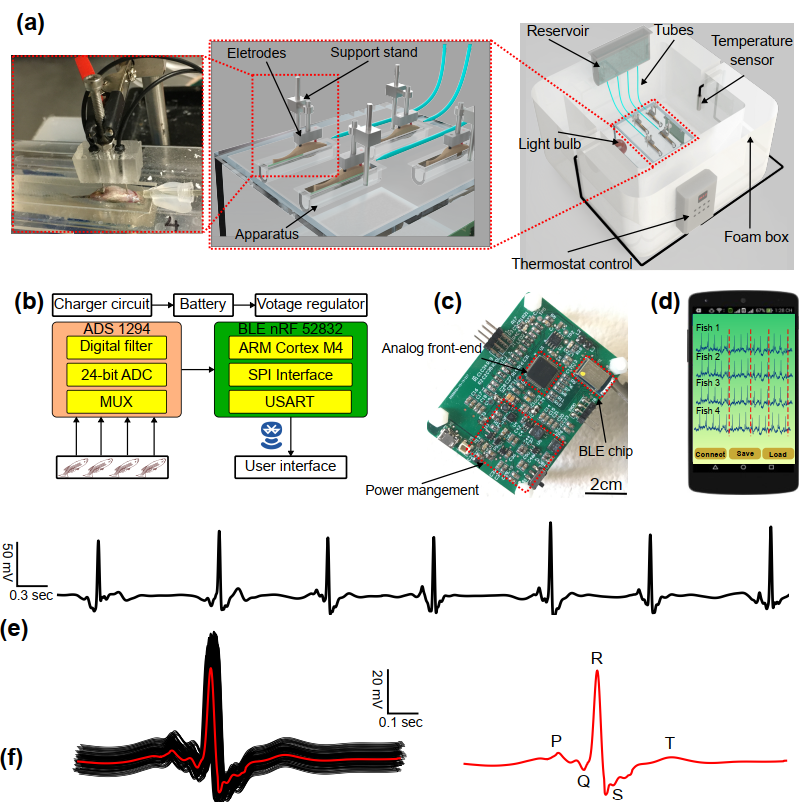
Zebrafish have a unique capacity for cardiac regeneration — they can fully recover from 20% ventricular injury — making them an ideal model organism for studying cardiac disease and drug response. I designed and built a high-throughput ECG recording system capable of simultaneously collecting biosignals from multiple awake zebrafish. The system integrates custom PCB hardware, firmware, a mobile Android application, and perfusion apparatus for sustained recordings.

This platform secured a NIH SBIR Phase 2 grant ($1.6 million) and has been deployed for cardiac regeneration studies and drug screening pipelines. Open-source firmware and PCB design files are available on GitHub.

ECG acquisition Zebrafish model PCB design C/C++ Android MATLAB Altium

Fetal/Maternal ECG Home Monitoring Device (UCI Beall Applied Innovation, $80K)

[Add fetal ECG device image]

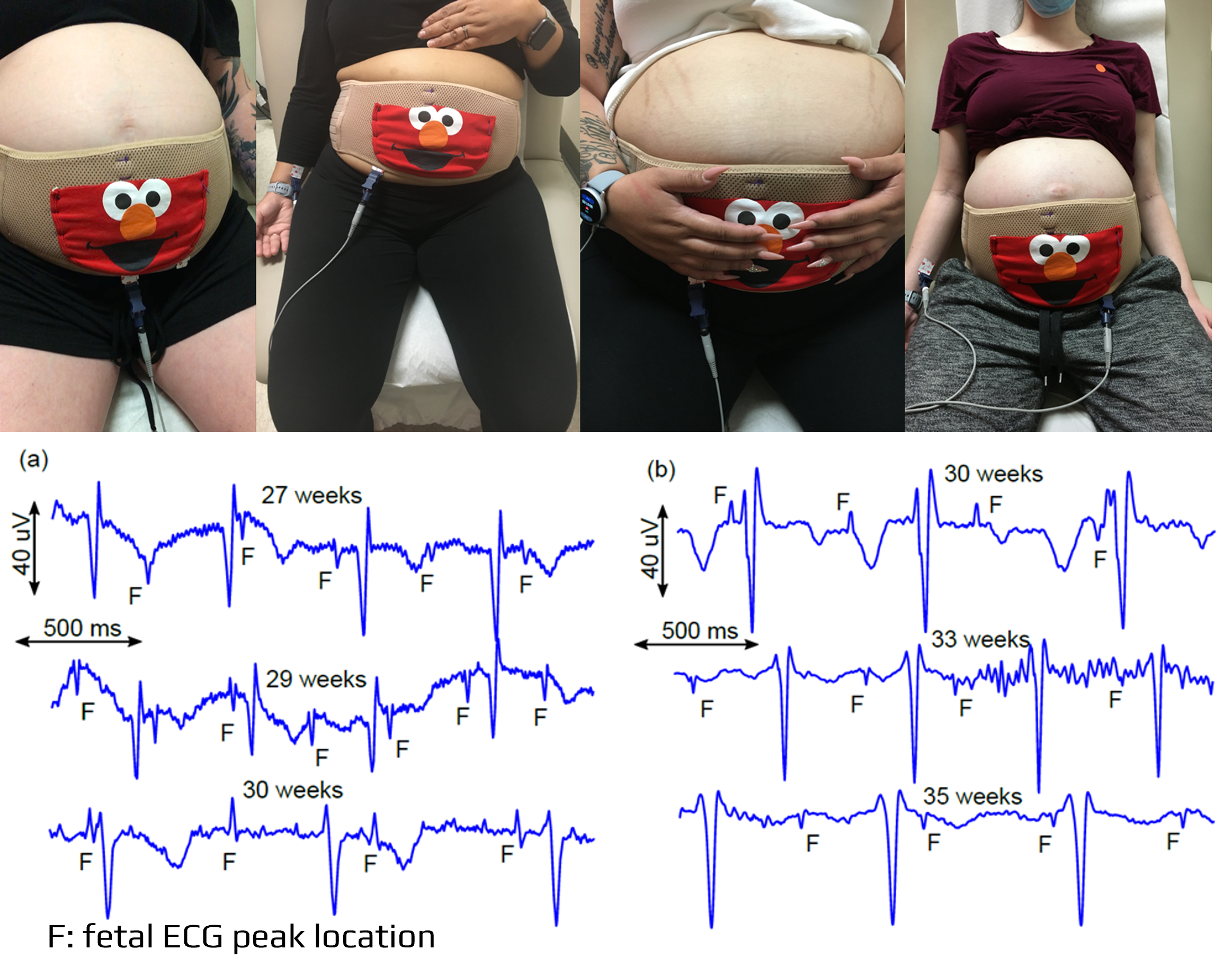
I designed a flexible patch for continuous, home-based monitoring of both fetal and maternal ECG signals. The device transmits data over Bluetooth to a mobile application, which synchronizes to a cloud server for remote physician review. Signal extraction uses a combination of independent component analysis and template subtraction to isolate the fetal signal from the maternal abdominal recording.

This system received a Proof of Product (POP) grant of $80,000 from UCI Beall Applied Innovation and was validated on 10 pregnant women at UCI Medical Center. Research was featured in IEEE Spectrum.

Fetal ECG Wearable patch Bluetooth Rigid-flex PCB Signal processing iOS / Android

Integrated ECG + PPG Continuous Blood Pressure Monitoring

[Add blood pressure device image]

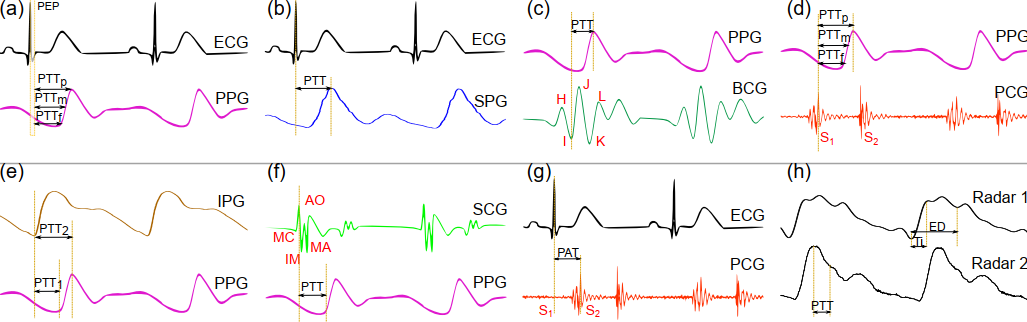
I developed a combined ECG and photoplethysmography (PPG) wearable that estimates blood pressure continuously using pulse transit time (PTT) correlation. The device records simultaneous ECG and PPG signals, extracts the PTT, and maps it to blood pressure via an individual calibration model. Hardware is built around the STM32F103 microcontroller with custom Altium-designed PCBs and 3D-printed enclosures.

The prototype was validated against a commercial ECG reference system, and findings contributed to a comprehensive methodological review published in IEEE Access (106+ citations) covering non-invasive blood pressure measurement techniques.

Blood pressure ECG + PPG Pulse transit time STM32 Altium MATLAB

MD-Link: Portable ECG Heart Rate Monitor (Texas Instruments Innovation Challenge, 3rd Place National)

[Add MD-Link device image]

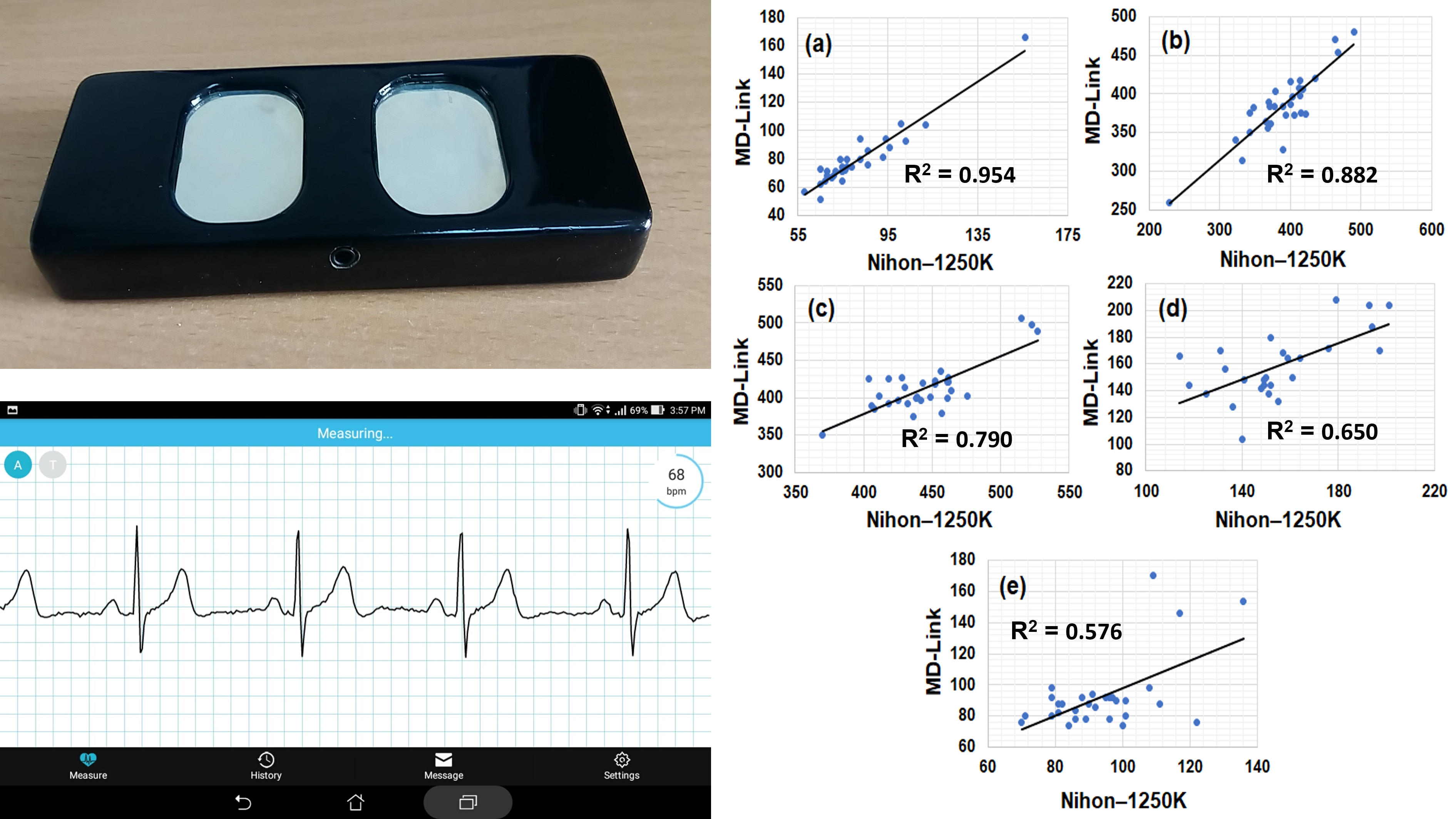
MD-Link is a portable cardiac monitoring system designed for clinical and home use. It features dual mobile applications — one for the patient and one for the physician — synchronized via a cloud server. The system performs automated ECG analysis for early anomaly detection and real-time alerts. Hardware uses a custom multi-layer PCB with ARM Cortex-M microcontroller, and the enclosure is 3D-printed.

MD-Link was selected as 3rd place in the Texas Instruments Innovation Challenge (National Final) and validated in clinical trials with over 200 participants, completing both engineering and design validation phases.

ECG monitoring ARM Cortex-M Android / iOS Cloud sync 3D printing Altium

Biosignal Processing: Noise Removal and Feature Extraction

[Add signal processing figure]

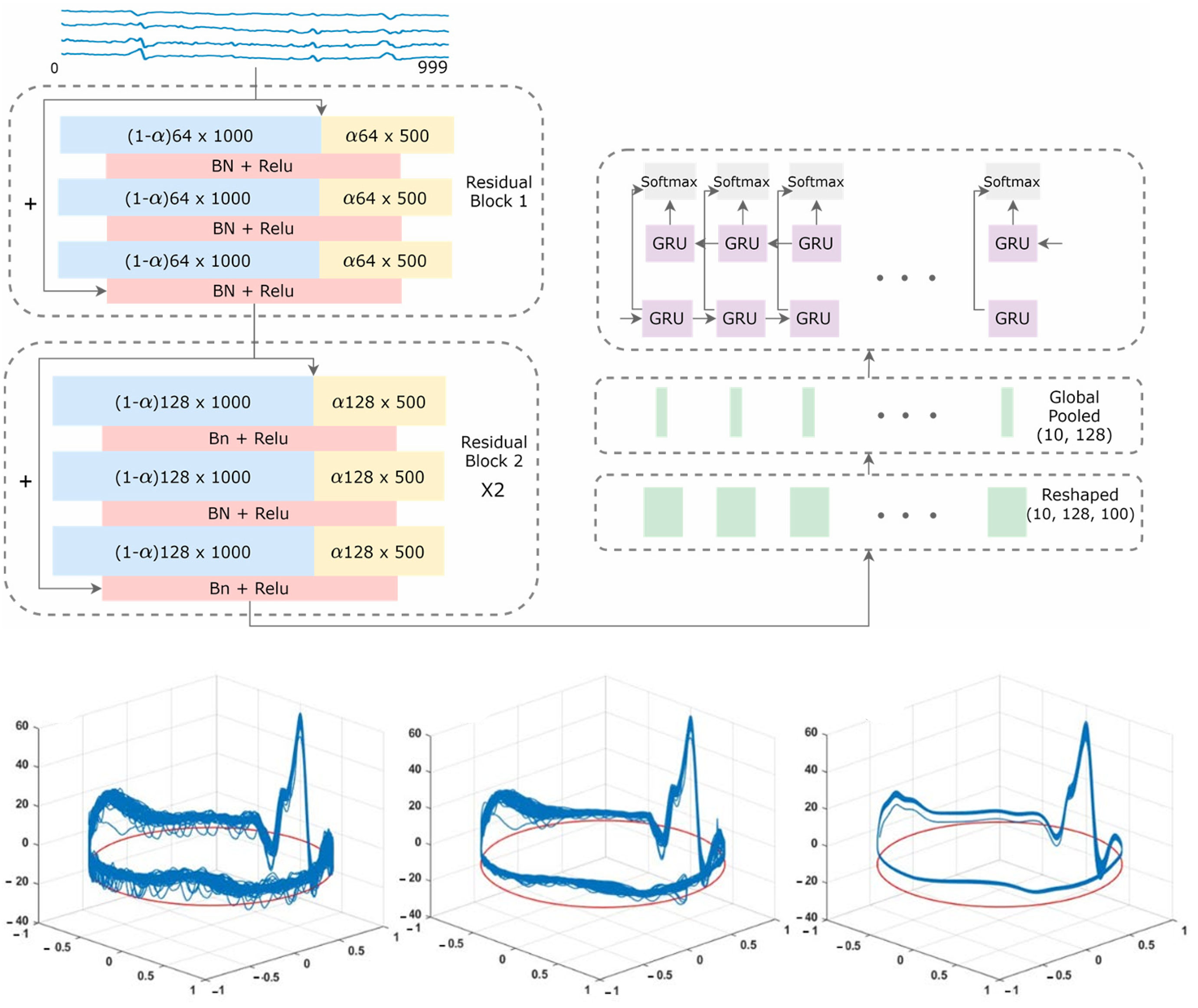
Biological signals such as ECG in zebrafish are typically in the microvolt range and overlap in frequency with motion artifacts from gill movement. I developed adaptive filtering algorithms using wavelet decomposition to separate the signal of interest from noise in both zebrafish ECG and fetal ECG recordings.

These algorithms are implemented in MATLAB and C/C++ for real-time embedded processing and are released as open-source on GitHub. They form the signal processing core of both the zebrafish recording platform and the fetal/maternal ECG monitoring device.

Wavelet transform Adaptive filtering MATLAB Embedded C Real-time DSP